Persian cats are known for their long coats, expressive eyes, and classic appearance. Different coat colors and patterns allow prospective owners to explore a range of looks, but the most important part of choosing a kitten is understanding its care needs and background. If you are researching luxury Persian kittens for sale or comparing different Persian varieties, use a careful selection process that puts the kitten’s wellbeing first.
Understanding Silver Chinchilla Persians
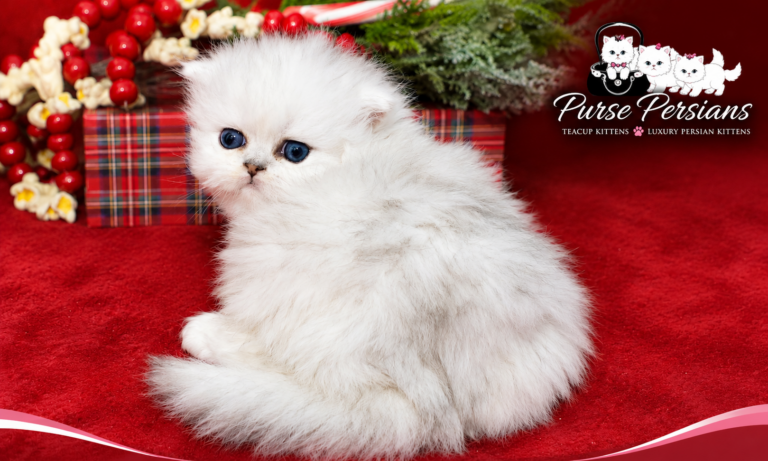
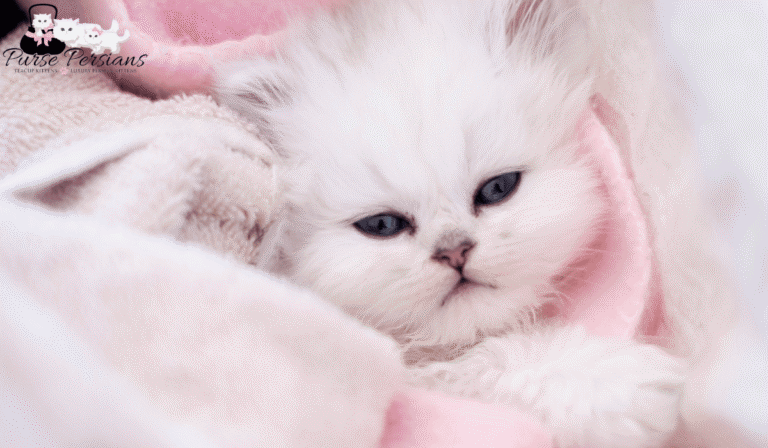
A silver chinchilla persian kitten may have a light coat with darker tipping that creates a distinctive silver effect. Individual kittens can differ in shading and overall appearance. Their long coats require regular brushing to help prevent tangles and mats. Ask the breeder about grooming, feeding, socialization, and veterinary care, and remember that appearance alone cannot tell you everything about a kitten’s temperament or development.
What “Luxury” Means in Kitten Listings
The phrase luxury Persian kittens for sale may be used to describe kittens with particular coat colors, lineage, or appearance. However, marketing language is not a substitute for clear information about care and development. Ask what the listing includes and request details about the kitten’s routine, veterinary attention, and background. Do not assume that a higher price or premium-sounding description automatically means the kitten is healthier or better suited to your home.
Researching Breeders and Location
People may search for persian cat breeders illinois or persian kittens for sale in Ohio when looking for options in a particular region. Search phrases can help begin the process, but buyers should confirm the seller’s location and current availability directly. Research the breeder, ask for clear answers, and review any agreement before paying a deposit. Make sure you understand collection or delivery arrangements and what documentation will be provided.
Understanding Teacup Cat Listings
The term teacup cat breeder is commonly used in listings for sellers offering unusually small cats. “Teacup” is not a separate officially recognized Persian breed, and a kitten’s small size should not be the main measure of its suitability. Focus instead on healthy development, nutrition, temperament, socialization, and veterinary care. Ask direct questions about the kitten’s growth and be wary of guaranteed adult-size claims.
Questions for a Responsible Breeder
A responsible breeder should be transparent about kitten care and willing to answer questions. Ask how kittens are socialized, what they eat, what veterinary care they have received, and whether information about their parents is available. Ask what support is offered after the kitten goes home. Be cautious of sellers who refuse to provide basic details, rush the transaction, or make unrealistic promises about adult size, temperament, or health.
Grooming and Everyday Needs
Persian cats need consistent grooming, a balanced diet, fresh water, a clean litter box, safe places to rest, and routine veterinary care. Establish a gentle brushing routine while the kitten is young. Provide toys and scratching options, and make sure the home is safe before allowing the kitten to explore. If you have other pets, introduce them gradually and supervise early interactions.
Conclusion
Choosing a Persian kitten should be a considered decision based on the animal’s needs, the breeder’s transparency, and your ability to provide long-term care. Whether you are interested in a silver Chinchilla coat or browsing location-based listings, ask questions and verify information before committing. A clear understanding of grooming, nutrition, socialization, and veterinary care will help you prepare for life with a Persian companion.
Frequently Asked Questions
1. What is a Silver Chinchilla Persian kitten? It is a Persian kitten with a light coat and darker tipping that creates a distinctive silver appearance.
2. Does “luxury” mean a kitten is healthier? No. Marketing terms do not prove health or quality. Ask for information about care, development, and veterinary attention.
3. How do I research Persian cat breeders in Illinois or Ohio? Verify the seller’s location, ask about kitten care and records, and review terms before sending payment.
4. Is a teacup cat a separate breed? No. “Teacup” is a descriptive term used in some listings, not a separate officially recognized Persian breed.
5. What care does a Persian kitten need? Persian kittens need suitable nutrition, fresh water, regular grooming, a safe environment, social interaction, and routine veterinary care.